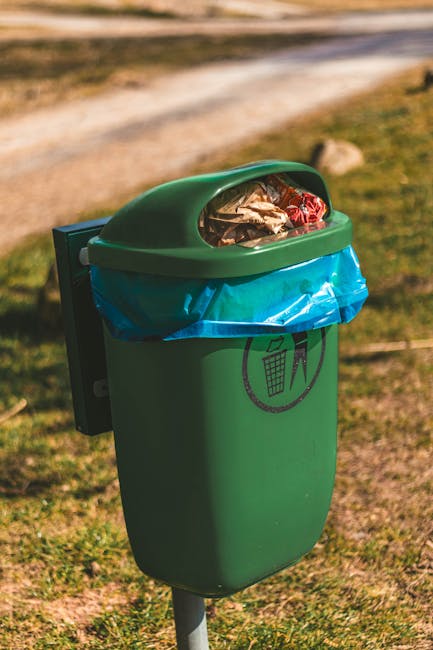
Cassiobury Park Rubbish Clearance Tips for Garden Waste
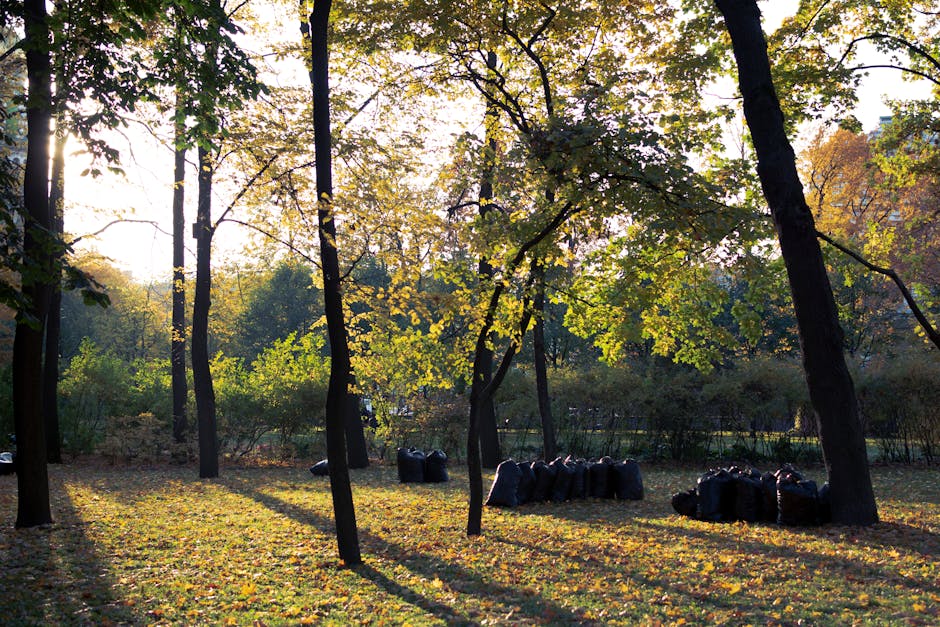
If you're clearing garden waste near Cassiobury Park, you're usually dealing with more than a simple tidy-up. There's hedge cuttings, grass clippings, branches, maybe a few old pots, and then the awkward bits that never seem to fit neatly into a wheelie bin. Cassiobury Park Rubbish Clearance Tips for Garden Waste can help you handle the job properly, save time, and avoid the sort of mess that turns a Saturday morning into a full-blown chore.
This guide walks through the practical side of garden waste clearance: what to separate, how to load it, what to avoid, and when professional help makes sense. It also covers local considerations, sensible compliance points, and the small details that make clearance smoother in a busy part of Watford. Truth be told, the difference between a tidy load and a chaotic one is usually about preparation, not effort.
Why Cassiobury Park Rubbish Clearance Tips for Garden Waste Matters
Garden waste seems harmless enough. Leaves, twigs, soil, the odd broken fence panel, maybe a bag of dead plants from a long-overdue spruce-up. But once it starts piling up, it can quickly become bulky, heavy, and awkward to move. That's especially true if you're working in or around Cassiobury Park where access, parking, and foot traffic can make a quick job less straightforward than you first hoped.
Good clearance habits matter because garden waste is not all treated the same. Green waste, general rubbish, soil, timber, and mixed debris each need different handling. Get that wrong and you can create extra cost, extra trips, or a load that can't be collected efficiently. And nobody wants to stand in drizzle at the back of a driveway sorting brambles from bits of old decking at 7:30 in the morning. Been there, done that, not ideal.
There's also a practical environmental angle. Garden waste can often be recycled or composted when kept separate and uncontaminated. That means your clearance choices influence whether the material can be reused rather than sent for disposal. In a local area like Watford, where households and businesses are increasingly conscious of waste reduction, it makes sense to approach garden clearance with a bit of care.
If your project is bigger than a normal tidy-up, you may also want to look at broader support such as rubbish clearance services or more targeted help like garden waste removal. Choosing the right route early can save a lot of faff later.
How Cassiobury Park Rubbish Clearance Tips for Garden Waste Works
At its simplest, garden waste clearance works by separating what can be recycled, what needs disposal, and what should be kept out of the load entirely. The better you sort it up front, the easier collection or removal becomes. That's the main idea. Everything else flows from that.
A typical garden waste clearance process usually follows these steps:
- Assess the waste type. Identify grass, leaves, branches, weeds, soil, timber, and any non-garden items mixed in.
- Separate recyclable green waste. Keep organic material apart from plastics, metal, rubble, and general household rubbish.
- Break down larger pieces. Cut branches, flatten cardboard if it's mixed in, and stack manageable items neatly.
- Choose the removal method. This might be a self-managed car load, a garden waste bag system, skip hire, or a professional clearance service.
- Load safely and efficiently. Put heavier items at the bottom and avoid overfilling bags or containers.
- Dispose responsibly. Use a compliant route that matches the type of waste, especially if anything is classed as mixed or non-green waste.
The key to making it work is not brute force. It's sequencing. Once the waste is sorted, the rest becomes much simpler. That's why people who do a little prep first tend to finish earlier, with fewer headaches and less back-and-forth.
If you're unsure what counts as green waste versus mixed waste, it can help to review a more general garden clearance guide before you start. A little clarity at the beginning can prevent a messy pile in the middle of the job.
Key Benefits and Practical Advantages
There are a few clear reasons people choose a structured garden waste clearance approach rather than just stuffing everything into bin bags and hoping for the best.
- Saves time: Sorting waste once is faster than re-sorting it later.
- Reduces disposal costs: Separate green waste is often easier and cheaper to handle than mixed rubbish.
- Improves safety: Broken branches, thorny cuttings, and heavy bags are easier to manage when organised properly.
- Supports recycling: Clean garden waste is more likely to be composted or reused.
- Creates a tidier finish: The garden looks better sooner, without stray piles left by the fence or shed.
There's a subtle but real benefit too: clear waste management makes the whole garden project feel more under control. Even a large overgrown area can feel manageable once you divide it into stages. You notice it most when the site starts to breathe again, especially on a mild morning when the air still smells of cut grass and damp soil. Small thing, but it helps.
For bigger outdoor clearances, you may also find it useful to compare options with house clearance support if the garden work is tied to a full property clean-up. Often these jobs overlap more than people expect.
Who This Is For and When It Makes Sense
This kind of clearance advice is useful for a wide mix of people. Homeowners, landlords, tenants, gardeners, property managers, and even small local businesses with outdoor spaces all run into the same basic problem: garden waste builds up faster than expected.
It particularly makes sense if you are dealing with any of the following:
- post-pruning waste from hedges, shrubs, or small trees
- seasonal leaf fall that has started to spread across paths and borders
- aftercare waste from a landscaping project
- garden clutter mixed with old furniture, planters, or broken materials
- a one-off tidy before moving, letting, or selling a property
- an overgrown garden that needs a proper reset
It also makes sense if you're short on time. Let's face it, not everyone wants to spend an entire afternoon shuttling bags to a recycling centre. Sometimes the garden just needs to be handled efficiently, and then you can get back to living in it rather than working on it.
If the waste is part of a larger property transition, a broader service like end of tenancy clearance may be worth looking at. Garden waste rarely exists in isolation, especially during move-outs or refurbishments.
Step-by-Step Guidance
Here's a practical way to tackle garden waste clearance without making a bigger job of it than necessary.
1. Walk the area first
Before lifting a single bag, walk the garden and identify what's there. Look for green waste, soil, timber, plastics, broken pots, and anything sharp or heavy. A quick scan saves time later and helps you choose the right disposal route.
2. Separate waste into clear groups
Use distinct piles or containers for branches, grass cuttings, leaves, soil, and non-organic items. Do not mix everything together if you can help it. Mixed loads are harder to handle and often less efficient to dispose of.
3. Reduce volume where possible
Cut long branches down to shorter lengths. Flatten bags if they are full of light material. Stack items neatly. The goal is to reduce air gaps, not just shove waste into a container and hope it compresses itself. It won't.
4. Remove hazards early
Pick out broken glass, nails, wire, and anything else that could cause injury. If you've got thorny cuttings or dense bramble, wear gloves with a decent grip. A small cut can turn into an annoying setback very quickly.
5. Choose the collection method
Decide whether you're loading your own vehicle, using a skip, arranging a van collection, or hiring a clearance team. The best choice depends on volume, access, how much lifting you want to do, and whether the waste is all green or partly mixed.
6. Load in a sensible order
Put heavier items at the bottom and lighter material on top. Keep bags closed and manageable. If you're loading a vehicle, avoid obstructing visibility and don't overload it. That's not just neatness; it's basic safety and road sense.
7. Clean the area after removal
Once the waste is gone, sweep up loose leaves, soil, and stray debris. This final pass is often what makes the garden feel properly finished. A neat edge, a cleared path, the smell of damp earth - suddenly it feels worth it.
Expert Tips for Better Results
A few small habits can make a surprisingly big difference. These are the details people often miss when they're rushing, and they're usually the details that decide whether the job feels easy or chaotic.
- Tackle wet waste separately. Wet grass and leaves are far heavier than they look. Keep them in smaller bags to avoid back strain.
- Use breathable sacks where possible. For lighter organic waste, they're often easier to handle than sealed bags that trap moisture.
- Stack branches in one direction. It sounds obvious, but it makes loading much faster and reduces awkward gaps.
- Keep a "mixed waste" box. Any non-green items can go in one place so they don't get scattered through the pile.
- Work top-down on overgrown beds. Clear tall growth before dealing with the debris underneath. You'll see the space better and miss less stuff.
One of the most useful habits, especially around domestic gardens, is to pause after the first sort and ask yourself: is this really all green waste? That little question saves a lot of trouble. A forgotten terracotta pot or half-hidden lump of rubble can change the whole load.
If you manage outdoor spaces regularly, it may also help to keep a standing plan for recurring waste collection. That's where a page like office clearance may sound unrelated, but the underlying principle is the same: regular removal prevents build-up from becoming a bigger, more expensive task later. Different setting, same logic.
Common Mistakes to Avoid
Most garden waste clearance problems come from a few predictable mistakes. Nothing dramatic. Just small errors that snowball.
- Mixing garden waste with general rubbish. This is probably the most common issue, and it creates unnecessary complications.
- Overfilling bags. Heavy bags are awkward, unsafe, and more likely to split.
- Ignoring access routes. Tight driveways, narrow side passages, and parked cars can turn loading into a hassle if you don't plan ahead.
- Forgetting about soil weight. Soil and turf are much denser than leaves or hedge clippings.
- Leaving sharp waste inside the pile. Old nails, screws, and broken edging can injure anyone handling the load.
- Assuming everything can go in one vehicle load. It often can't. That's where delay starts creeping in.
A small bit of planning avoids most of this. You do not need to overthink it, just be methodical. A messy pile rarely gets better on its own, and a rushed load usually looks worse than the waste itself.
Tools, Resources and Recommendations
You do not need a warehouse full of gear for a sensible garden waste clearance job. A few basic tools, used well, are usually enough.
| Tool or Resource | Why It Helps | Best For |
|---|---|---|
| Heavy-duty gloves | Protects hands from thorns, splinters, and sharp edges | General clearance and pruning waste |
| Rake and broom | Helps gather loose leaves and small debris | Finishing and cleanup |
| Secateurs or loppers | Useful for cutting branches down to manageable size | Pruning waste |
| Reusable sacks or tubs | Makes sorting and lifting easier | Separated green waste |
| Wheelbarrow | Reduces carrying strain and speeds up movement | Large gardens and heavy waste |
As a practical recommendation, keep your system simple. One container for green waste, one for non-green items, and a third spot for anything sharp or awkward. Complicated sorting systems sound clever until you're standing in the middle of a damp garden wondering where a snapped plant pot should go.
If the job is bigger than expected, professional help can be the most sensible resource of all. You may want to look at contact options if you need a quick quote or want to discuss access, volume, or timing before committing to a clearance plan.
Law, Compliance, Standards, or Best Practice
For garden waste clearance in the UK, the main principle is straightforward: waste should be handled and disposed of responsibly, and you should use an appropriate route for the material type. That doesn't mean every garden job needs legal complexity. It does mean you should avoid careless disposal and be cautious about mixing waste streams.
A few sensible best-practice points apply:
- Separate waste where possible. Clean green waste is generally easier to recycle than mixed loads.
- Use a licensed or reputable disposal route. If a third party is removing waste, you want confidence it will be dealt with properly.
- Keep paperwork or confirmation where appropriate. For larger jobs, basic evidence of responsible disposal is useful.
- Be careful with protected or potentially invasive plant material. If you are unsure, ask before moving it around.
Local rules and collection arrangements can vary, so if you are working on a specific property or managing repeated clearances, it is worth checking the current local expectations rather than relying on assumptions. That is the safe approach, and honestly the least stressful one too.
For larger mixed loads, you might also want to compare your options with commercial rubbish clearance if the waste comes from a business premises, managed site, or communal outdoor area.
Options, Methods, or Comparison Table
Different situations call for different clearance methods. What works for a small hedge trim is not always right for a full garden overhaul.
| Method | Best For | Pros | Trade-Offs |
|---|---|---|---|
| Self-load to a recycling facility | Smaller, sorted loads | Cost control, flexible timing | Time, lifting, multiple trips |
| Garden waste bags or bins | Ongoing light waste | Convenient for routine trimming | Limited capacity, not ideal for big clearances |
| Skip hire | Larger projects with mixed waste | Good volume, simple on-site storage | Space needed, loading effort, permit considerations |
| Professional clearance service | Quick removal, heavy or bulky waste | Fast, efficient, less manual work | Usually higher cost than self-managing |
In practice, the right method is often a mix. For example, a homeowner might compost some clippings, bag up branches, and book help for bulky or mixed items. That blended approach is often the sweet spot. Not fancy, just sensible.
Case Study or Real-World Example
Consider a typical spring tidy-up near Cassiobury Park. A front and rear garden have been left to grow for a few months after winter. The owner has hedge cuttings, a pile of leaves, some turf from a border refresh, and a broken planter tucked behind the shed. Nothing dramatic, but enough to feel cluttered and a bit overwhelming.
The first attempt was to throw everything into the same bags. That didn't go well. The bags became heavy, the soil made the green waste messy, and the broken planter nearly tore one open. So the approach changed.
First, the waste was split into four groups: green cuttings, soil and turf, rigid broken items, and general rubbish. Branches were cut down, the leaves were gathered separately, and the planter fragments were boxed rather than bagged. The result was easier to move, easier to load, and much quicker to remove. The garden ended up clear by the afternoon instead of dragging on into the next day.
The real lesson? Sorting first always looks slower than just "getting on with it", but it usually saves time. Every time. And the garden feels better for it, not just cleaner.
Practical Checklist
Use this checklist before you start garden waste removal. It keeps things grounded and stops the job from slipping into guesswork.
- Walk the garden and identify all waste types
- Separate green waste from mixed rubbish
- Remove sharp objects, wire, glass, and loose metal
- Cut large branches into manageable lengths
- Keep soil, turf, and heavy waste apart where possible
- Use gloves and suitable footwear
- Check access for loading or collection
- Decide whether you need bags, a skip, or a clearance team
- Avoid overfilling containers
- Do a final sweep for small debris and leaves
Key takeaway: the cleaner and more separated the waste is at the start, the easier, safer, and usually cheaper the whole job becomes.
If you'd like a smooth, no-drama way to clear garden waste without spending your weekend wrestling with bags and branches, it's worth speaking to a local team that understands access, volume, and disposal properly. Get a free quote today and see how much you can save.
Conclusion
Cassiobury Park rubbish clearance for garden waste is really about being organised before the waste ever leaves the garden. Sort it well, separate what can be recycled, avoid mixing in general rubbish, and choose the removal method that fits the size of the job. That simple approach usually leads to a cleaner result with fewer surprises.
Whether you're doing a seasonal tidy, clearing after landscaping, or dealing with a bigger overgrown space, the main thing is not to rush the early steps. A little structure goes a long way. And once the piles are gone, the whole space feels lighter somehow - more usable, more peaceful, more yours.
Sometimes that's all a garden needs: a proper clear-out and a fresh start.
Frequently Asked Questions
What counts as garden waste during a clearance?
Garden waste usually includes grass cuttings, leaves, hedge trimmings, branches, weeds, plants, and small amounts of soil or turf. If you add household rubbish, plastics, rubble, or broken items, it often becomes mixed waste instead.
Can I put garden waste in normal black bags?
You can, but it is not always the best choice. Heavy or wet waste can split bags, and mixed materials make disposal harder. Strong sacks or dedicated green waste containers are usually more practical.
Is it cheaper to separate green waste first?
Usually, yes. Clean, separated green waste is generally easier to handle than mixed rubbish. The actual cost depends on volume, access, and disposal method, but sorting early often improves efficiency.
What should I do with branches and thicker cuttings?
Cut them down to manageable sizes and stack them neatly. This saves space and makes loading safer. Very large branches may need a different clearance method or a stronger container.
Can soil go with garden waste?
Sometimes, but soil is heavy and can change how the load is priced or processed. Small amounts may be acceptable with green waste, but larger quantities often need separate handling. It is worth checking before mixing it in.
Do I need a skip for garden waste?
Not always. A skip can make sense for large projects or mixed loads, but smaller tidy-ups may be better handled with bags, a van collection, or a targeted garden waste removal service. It depends on volume and access.
What if the garden waste is mixed with old furniture or rubble?
That is no longer a simple green waste job. Mixed waste normally needs a different approach because the materials cannot be treated the same way. Sorting it into separate piles before removal will make things much easier.
How do I avoid overfilling bags?
Use smaller loads than you think you need, especially for wet grass, soil, or dense hedge clippings. If a bag feels awkward to lift or twists when moved, it is probably too full.
Is garden waste removal suitable after landscaping work?
Yes, absolutely. Landscaping often creates a surprising amount of debris, including turf, branches, packaging, and leftover materials. A proper clearance plan helps finish the job cleanly.
How quickly can garden waste usually be cleared?
That depends on the amount of waste, access to the property, and the method used. A small tidy-up can be sorted quickly, while a larger overgrown garden may need more planning and labour.
What is the biggest mistake people make with garden rubbish?
The most common mistake is mixing everything together. Once green waste, soil, sharp items, and general rubbish are combined, the job becomes harder, messier, and often more expensive to deal with.
Should I keep anything aside before the clearance starts?
Yes. Keep anything you want to reuse, donate, or repurpose separate from the waste pile. Garden jobs have a habit of swallowing useful things if you do not set them aside early.
Is it worth using a professional service for a small garden?
If the waste is light and easy to move, you may not need one. But if access is awkward, the waste is heavy, or you simply do not want the lifting, a professional service can still be the easier choice. Sometimes convenience is the real value.