House Clearance Watford: Recycling & Sustainability Commitment
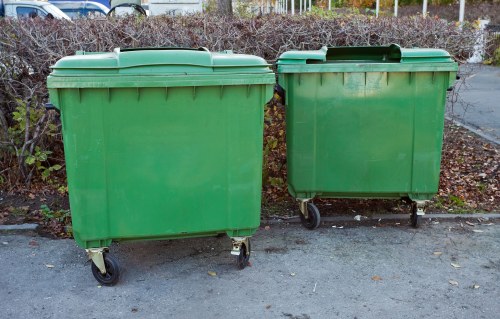
Our eco-friendly approach to Watford house clearance
We believe every House Clearance Watford job is an opportunity to reduce landfill, support local reuse and lower carbon emissions. Our target is to recycle or reuse 75% of all materials recovered from clearances across Watford and surrounding boroughs by 2030. That 75% recycling percentage target drives operational decisions from sorting at source to our transport choices, and is monitored month-by-month to ensure continuous improvement.How we separate waste on site
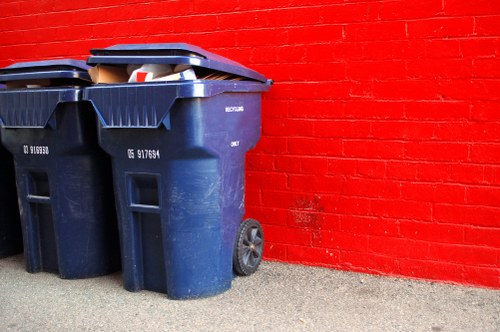
When carrying out house clearances in Watford we follow the latest local guidance: many Hertfordshire and Watford borough schemes emphasise kerbside recycling, separate food waste streams and electronic waste disposal. Our crew perform on-site segregation into key streams — paper/card, mixed glass, metals, wood, soft furnishings and hazardous items — and use labelled containers to match borough collection standards. This practice reduces contamination and increases the amount we can send to recycling centres rather than landfill.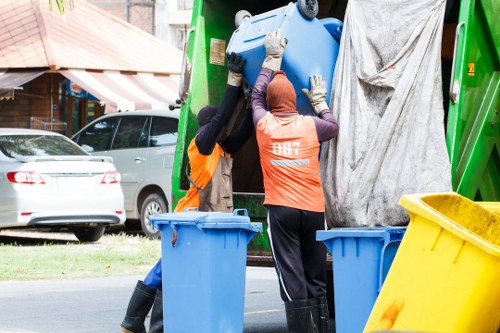
Local transfer stations and civic amenity links
We work with a network of local transfer stations and household recycling centres across Hertfordshire and neighbouring counties. Using county-run transfer stations and civic amenity sites helps us consolidate materials for recycling and reuse, and keeps transport routes short. Our logistics plan prioritises local facilities to lower mileage and avoid long-haul tipping — an important step in reducing the carbon footprint of Watford clearance services.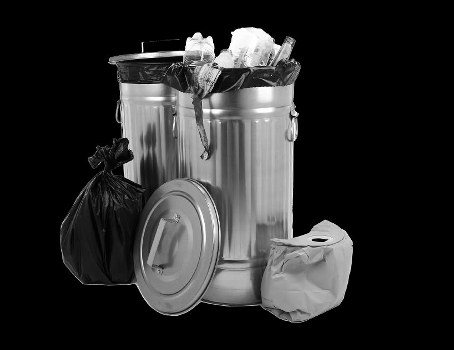
Partnerships with charities and community reuse
We partner with local charities, reuse organisations and social enterprises to maximise the life of items recovered during house clearance Watford work. Reusable furniture, working appliances and good-condition clothing are offered to local charities such as Age UK, Shelter and the British Heart Foundation stores, where they support community programmes and fundraise for vital services. These charity partnerships also support a circular economy — items that can be refurbished or sold locally often avoid the energy cost of recycling and are more socially valuable when reused.Donation and reuse process: Items deemed suitable for donation are photographed, catalogued and transported directly to charity outlets or partner reuse centres. If an item needs minor repair, we coordinate with local workshops to prepare it for resale rather than scrapping it. This reduces waste, supports local jobs, and aligns with our sustainable rubbish area philosophy.
What we recycle and divert
Our Watford clearance teams separate materials into clear streams for processing:- Paper and cardboard — baled and taken to local mills
- Plastics and mixed containers — sorted for reprocessing
- Glass and metals — sent to specialist recyclers
- Wood and green waste — chipped or processed for biomass/composting
- Electricals (WEEE) — handled through licensed WEEE routes
- Soft furnishings — evaluated for reuse, repair, or specialist recycling
Low-carbon vans and greener transport
To support sustainable rubbish collection and low-emission clearing, our fleet increasingly uses battery-electric vans and low-emission Euro 6 vehicles. Switching to electric vans for shorter urban journeys around Watford reduces tailpipe emissions and noise pollution. We optimise collection rounds to minimise empty runs and employ route-planning software to keep mileage to a minimum — a practical step in lowering our operational carbon intensity.Benefits of greener logistics: Reduced emissions, quieter streets during early-morning clearances, and improved air quality in local neighbourhoods. We actively invest in vehicle charging infrastructure at our depots and encourage staff training in efficient driving to complement the low-carbon vehicles.
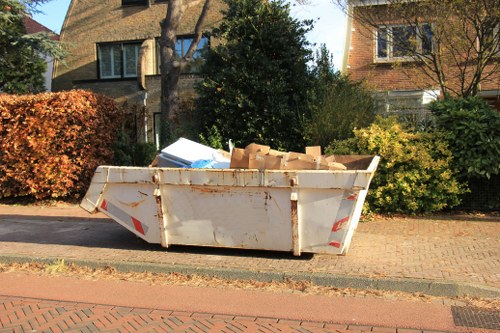 Compliance and transparency: All waste transfers use licensed transfer notes and chain-of-custody records so that every item moved through our Watford house clearance process can be tracked to its final destination — reuse, recycling or authorised disposal. This ensures we meet environmental regulations and that our recycling percentage target is verifiable. We publish anonymised statistics on materials diverted and continuously seek new ways to improve performance in the sustainable waste disposal area.
Working with boroughs and community schemes
We coordinate with local borough waste teams and community schemes to align house clearance activities with municipal recycling calendars and hazardous waste collection days. That collaborative approach improves compliance with local separation rules and helps residents and landlords access the most appropriate disposal and reuse options. It also supports the broader borough approach to waste separation, which increasingly favours source segregation and community reuse hubs.Commitment to continuous improvement
Our sustainability program includes regular audits, reviews of charity partnerships and investment in staff training. We set interim recycling targets each year to reach our 75% goal, and we continuously trial new reuse channels and low-carbon technologies. By combining careful segregation, charity partnerships, local transfer station use and an electrified fleet, our Watford clearance services aim to lead by example in eco-friendly waste disposal.Get involved — if you are a local charity, reuse project or borough team interested in partnering on house clearances in Watford or want to learn more about our sustainable rubbish area practices, we welcome collaborative opportunities that create social value and reduce environmental impact.
